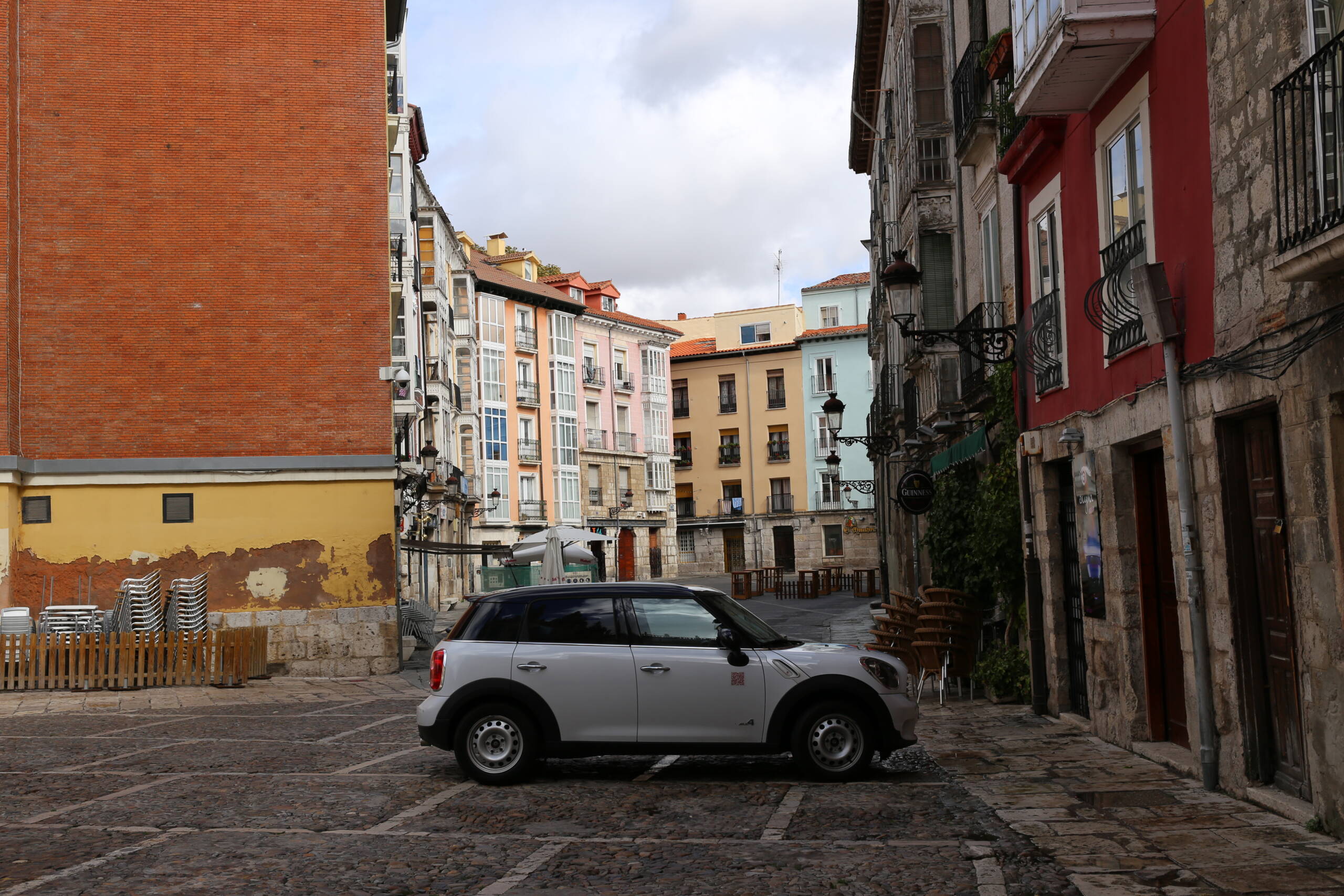
There’s a special kind of calm that settles over historic European squares just after the early light arrives but before the day fully wakes up. This is one of those moments, captured in the heart of Burgos. A white Mini Countryman sits quietly on the worn cobblestones, its black roof catching the soft, overcast sky. Around it, the plaza feels almost private. On one side … [Read more...] about Quiet Morning in Burgos
Behind the scenes at a 2026 tech & AI expo

Where the future feels immediate and the energy is electric Crowds weave between glowing booths. Lanyards flash “New Tech.” Cups read “AI.” A woman pauses mid-conversation and meets the camera with a quiet, confident smile. Nearby, a photographer steadies a long lens on a gimbal, capturing the flow of people and conversations under the soft glow of drink stations. In another … [Read more...] about Behind the scenes at a 2026 tech & AI expo
How to Source Images for a Travel Magazine
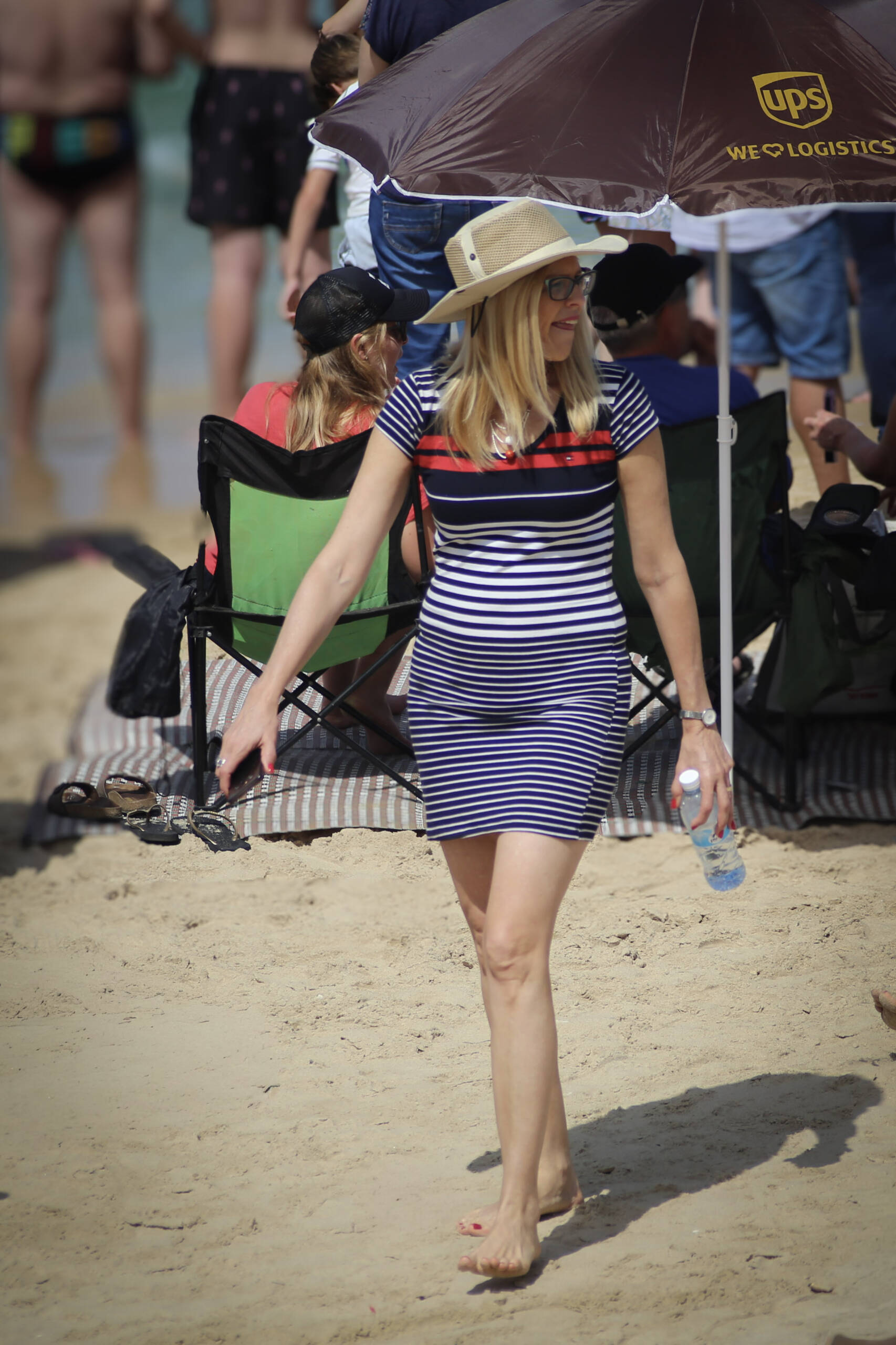
A good travel magazine needs more than postcard views. The most useful image libraries combine famous landmarks, architecture, museums, local culture, food and drink, wildlife, beaches, street life and people. The photographs below are good examples of the range that can be used to build a travel publication: some immediately identify a destination, while others communicate the … [Read more...] about How to Source Images for a Travel Magazine
Photos of the Week: Medieval Squares, Cathedral Domes, and Samurai Armor
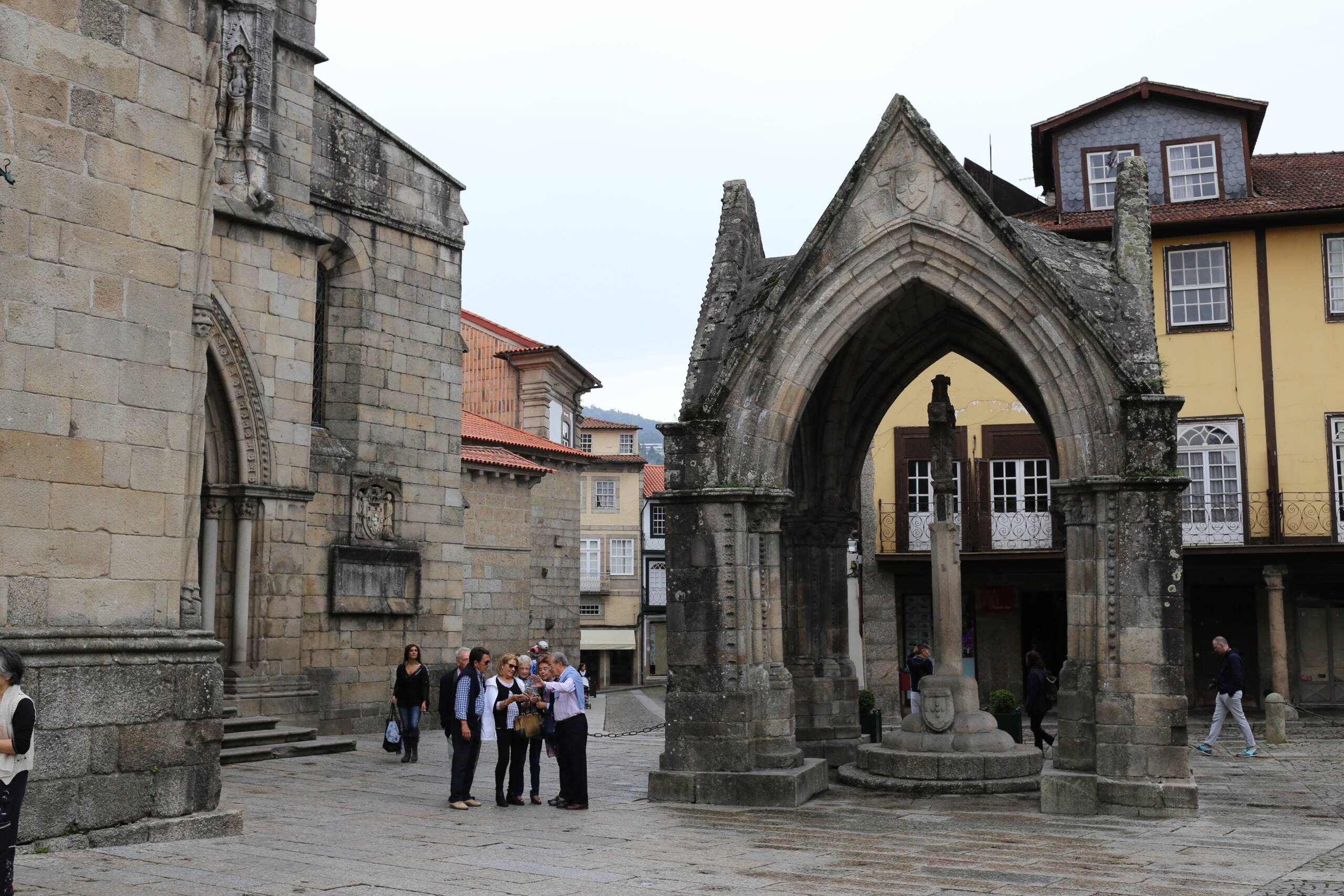
The Square Under the Sun A medieval stone façade rises behind the crowd, crenellations cut sharp against the blue sky. Tourists drift through in shorts and sun hats. A man in a dark jacket stands mid-interview, papers in hand, while a camera crew works the shot a few feet away. A media van sits parked just off frame. Old stone, a press conference, a summer crowd, all … [Read more...] about Photos of the Week: Medieval Squares, Cathedral Domes, and Samurai Armor
Over the Coals
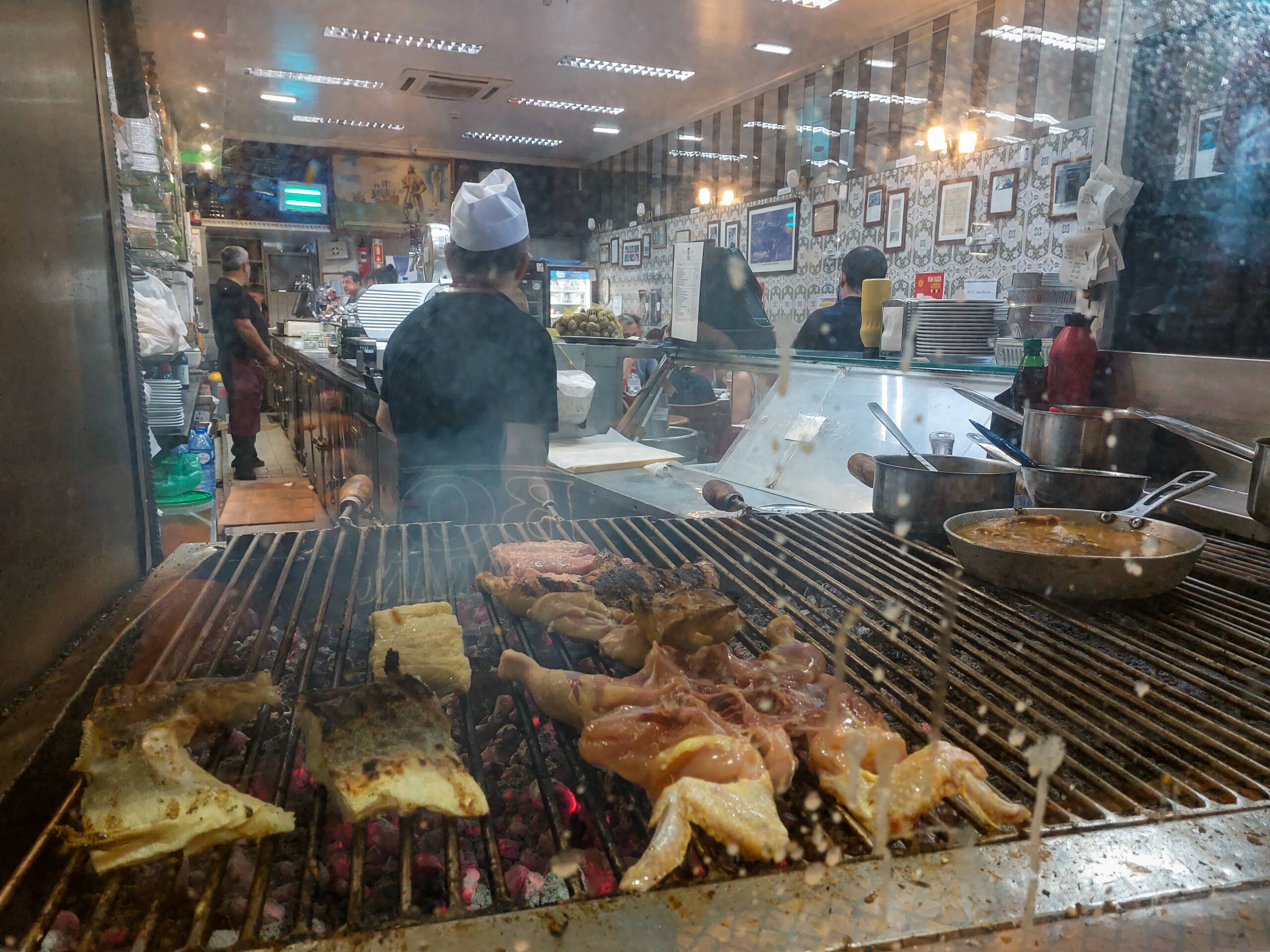
Smoke rises in thin, restless threads from the open grill, carrying the scent of char and heat into the room. Chicken, fish, and cuts of meat lie across the glowing bars, some still pale, others already marked by the fire. Behind the glass, a chef in a white hat works with his back turned, focused on the quiet choreography of a busy kitchen — pots, pans, the low murmur of … [Read more...] about Over the Coals
A Collection of Travel, Art and Everyday Scenes
A Box of Ripe Plums A close-up still life of ripe plums fills the frame, piled inside a translucent plastic container. The fruit ranges from yellow and green through orange and pink to deep red and purple, with the characteristic pale bloom visible on many of the skins. The tight vertical composition emphasizes the overlapping shapes and subtle differences in color, while the … [Read more...] about A Collection of Travel, Art and Everyday Scenes
A Pedestrian Street in Prague

The photograph shows a broad pedestrian shopping street paved with small gray cobblestones, with a mixture of historic and modern buildings stretching into the distance. On the right is a particularly impressive historic façade, richly decorated with carved stonework, columns, arched windows and elaborate classical details. Modern retail signs and large glass storefronts occupy … [Read more...] about A Pedestrian Street in Prague
The Elephant That Walks

It moves with the slow, deliberate grace of something that should not exist — a giant wooden beast of gears, pistons, and carefully carved timber, carrying a small crowd on its back beneath a canopy that looks half circus tent, half airship. People lean over the railings, waving, photographing, simply staring. Below, others stand on the ground and watch it pass, as if a … [Read more...] about The Elephant That Walks
Where the Rocks Meet the Sea
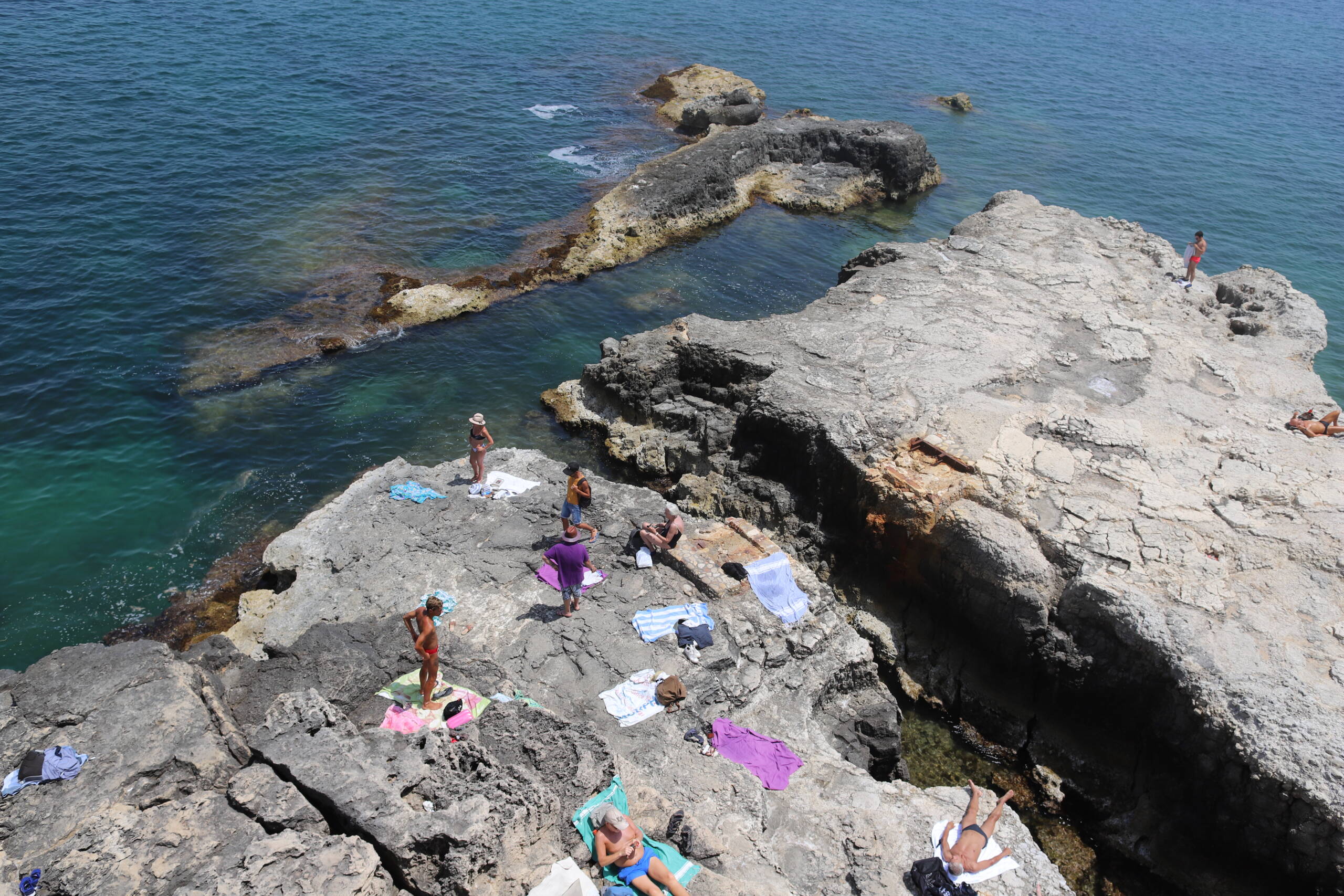
Sun-warmed stone, clear water, and the quiet rhythm of people simply being. Some stretch out on towels, eyes closed against the brightness. Others stand at the edge, watching the light move across the surface or the way the water changes from deep blue to almost transparent green near the rocks. A few walk carefully across the uneven ground, finding their own small patch of … [Read more...] about Where the Rocks Meet the Sea
Time Stands Still, Yet Everything Changes
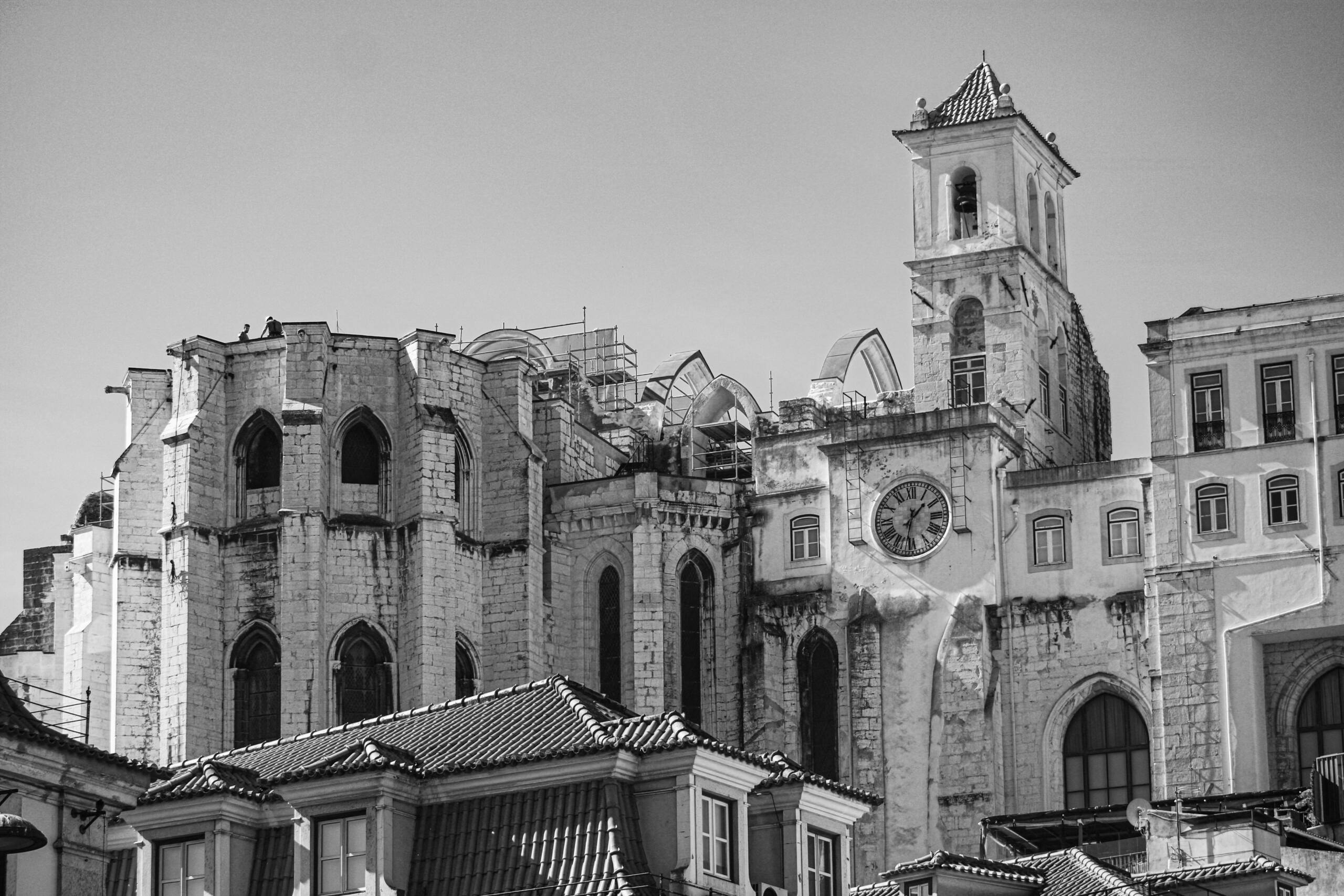
This black-and-white frame holds an old stone church rising above the rooftops — Gothic arches worn smooth by centuries, a clock still marking the hours, and scaffolding clinging to its walls like a quiet promise of renewal. Below, everyday life continues under terracotta tiles. Above, history is being carefully held together. There’s something powerful in places like … [Read more...] about Time Stands Still, Yet Everything Changes