Tea tends to weave itself quietly into the rhythms of daily life, settling into moments that feel both ordinary and ceremonial. Thinking about tea traditions almost feels like tracing the soft edges of memory—steam rising, hands warming around a cup, small pauses that somehow gather entire histories inside them. Every culture that embraces tea seems to let it reflect its own personality, its own habits of hospitality and contemplation, and that makes the world of tea wonderfully varied.
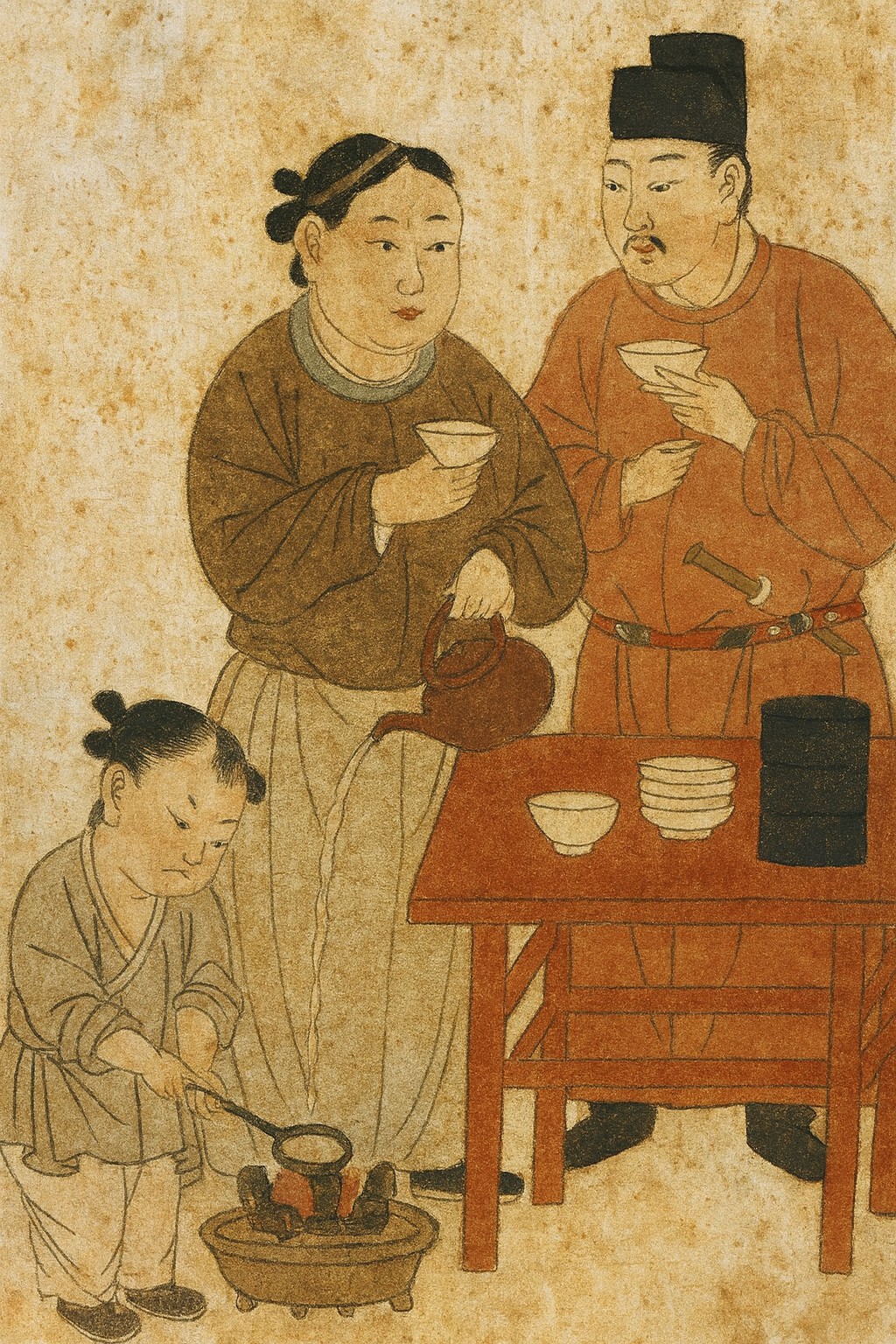
In China, where tea culture began, the act of drinking tea grew from simple medicinal uses into a symbol of refinement and human connection. Ancient scholars drank it while composing poetry or debating philosophy, and families used it to show respect during ceremonies like weddings and ancestral offerings. The focus was never just on taste. It became a way to appreciate the leaf itself—its fragrance, the sound of water poured into clay, the sequence of brewing steps that slow the mind into a kind of soft concentration. Even today, the Gongfu tea ceremony, with its tiny cups and steepings that shift delicately from round to round, feels like a meditation on patience.
Japan shaped tea into something even more structured and spiritual. The tea ceremony, or chanoyu, turns whisking powdered matcha into a deeply choreographed encounter with humility, quiet, and attention to detail. The preparation becomes as meaningful as the drinking. Every gesture—folding a cloth, rinsing a bowl, turning a cup—carries intention. Matcha is not just consumed; it is experienced. And even outside formal ceremonies, Japan’s relationship with tea slips easily into everyday life, from sencha shared after meals to the cheering bitterness of bottled green tea grabbed on the go.
Traveling west, tea takes on a more social warmth. In the Middle East and North Africa, tea is nearly synonymous with hospitality. Moroccan mint tea comes to the table in tall glasses, sweet and fragrant, poured from a gleaming pot held high enough to let the stream of liquid sparkle for a moment. In Turkey, tea forms the heartbeat of conversation. It arrives in tulip-shaped glasses, always hot, always replenished, and somehow essential to the rhythm of friendship and negotiation alike. These traditions feel more communal—tea as a binding thread running through gatherings both spontaneous and ceremonial.
Britain, of course, adopted and reshaped tea into its own kind of ritual. The simple act of afternoon tea—perhaps a little fussy, certainly comforting—became an anchor in the day. A pot on the table, a splash of milk, something sweet or buttery beside it. It’s less about silence or precision and more about taking a moment to settle yourself, to share something leisurely with others. Even in its simplest form, tea breaks in homes, offices, or on rainy mornings reflect a stubborn, cozy insistence on slowing down.
What’s striking is how tea adapts. It can be elegant or rustic, solitary or social. It can mark the start of a workday in India, where chai simmers with spices on street corners, or it can guide a ceremony meant to honor ancestors. Tea can be a daily necessity, a spiritual practice, or just an excuse to pause. And somehow, across continents and centuries, the drink remains a quiet companion to everything from hurried mornings to the softest, most reflective evenings.
Tea traditions endure not because they are rigid but because they offer something deeply human: a moment to be present. Whether that moment feels ornate or effortless, shared or solitary, it becomes a small ceremony of its own—steaming, fragrant, and just long enough to remind us to breathe.
Leave a Reply